
Most foundation problems do not begin with a dramatic crack across the living room wall. They usually start with smaller changes: a door that suddenly rubs, a thin line above a window, or a floor that feels a little different underfoot. Because those signs can seem minor, many homeowners wait until the damage is impossible to ignore.
In Texas, summer is an important time to pay attention. Much of the region has expansive clay soil, which loses volume as it dries and gains volume when it absorbs water. During long stretches of heat, the soil around a home can shrink unevenly and leave parts of the foundation with less support. That movement may show up inside the house before you ever notice a problem outside.
One symptom by itself does not automatically mean your foundation is failing. A pattern of new or worsening changes, however, deserves a closer look. Here is what the most common warning signs may mean.
Why Are Cracks Appearing in My Walls and Ceilings?
Small hairline cracks can develop as building materials expand, contract, and settle over time. The cracks that deserve more attention are new, growing, or appearing in several places at once.
Foundation movement can pull a home slightly out of square, placing stress on drywall and other finishes. Look for diagonal cracks extending from the corners of doors or windows, cracks where a wall meets the ceiling, recurring cracks that reopen after repair, or stair-step cracks in exterior brick or masonry. A widening gap along trim, cabinets, or baseboards can be another clue that the structure is moving.
The location and pattern matter more than the mere presence of one small crack. Take a dated photo and check it periodically rather than patching it and forgetting it.
Why Are My Doors and Windows Sticking in Summer?
Humidity can make wood doors swell, and paint buildup can cause a single door to drag. But when several doors or windows begin sticking at the same time, the problem may be movement in the frame of the house.
As support beneath the foundation becomes uneven, door and window openings can shift out of square. You may notice that a latch no longer lines up, a door swings open or closed on its own, or a window develops a new gap on one side. If those changes appear along with wall cracks or uneven floors, they are more likely to be part of a foundation issue than an isolated carpentry problem.
What Causes Uneven Floors in a Texas Home?
Floors can become uneven when one portion of a slab settles or heaves relative to another. In pier-and-beam homes, shifting soil can also affect piers, beams, and floor supports. Common contributors include uneven soil drying, poor drainage, plumbing leaks beneath or near the home, erosion, tree roots, and soil that was not properly compacted before construction.
Not every dip, squeak, or soft spot is caused by the foundation; flooring materials and subfloors can fail, too. What is more concerning is a new slope, a noticeable change from one room to the next, or an uneven floor paired with cracks, sticking doors, or gaps around trim.
Is Foundation Shifting Dangerous?
Foundation shifting is not always an immediate emergency, but it should not be ignored. Continued movement can place added stress on drywall, masonry, framing, windows, doors, and plumbing. It can also make the eventual repair more complicated and affect a home’s comfort, safety, and resale value.
Seek professional guidance promptly if changes appear suddenly, cracks are widening quickly, exterior brick is separating, floors develop a pronounced slope, doors will no longer close, or you suspect a plumbing leak. Significant or disputed structural concerns may also call for an evaluation by an independent structural engineer.
How Do I Know if My Foundation Is Damaged?
You cannot diagnose foundation damage from one crack alone. Instead, look for a combination of symptoms and whether they are changing over time:
- New or widening cracks in drywall, ceilings, brick, or concrete
- Several doors or windows that stick or no longer sit square
- Sloping, dipping, or noticeably uneven floors
- Gaps between walls and ceilings, counters, cabinets, trim, or floors
- Soil pulling away from the foundation during dry weather
- Cracks that close after rain and reopen when the soil dries
- Changes that become more noticeable as summer heat continues
If you notice more than one of these signs, document what you see and arrange a professional evaluation. Catching movement early gives you more options and a better chance of addressing the moisture conditions around the home before damage progresses.
What Should You Do When the Signs Appear?
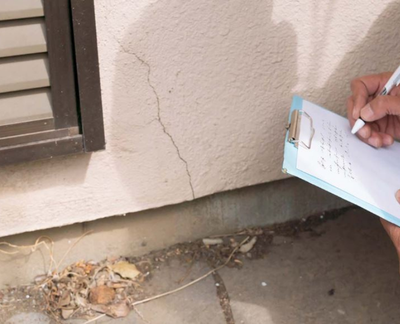
Start with a slow walk around the inside and outside of your home. Photograph cracks, note which doors and windows are sticking, and watch for soil gaps or drainage problems near the foundation. Do not try to correct severely dry soil by suddenly soaking it; large moisture swings can create additional movement. The goal is steadier, more even moisture around the foundation perimeter.
The Foundation Guys can evaluate your home’s soil conditions, drainage, and foundation health to determine whether Foundation Shield is a good fit. This buried, automatic drip irrigation system delivers controlled moisture below the surface, where it is less likely to be lost to summer heat and evaporation. It is designed to help reduce the soil moisture swings that contribute to shifting and cracking in Texas homes.
A foundation watering system does not replace structural repair when damage has already become severe. But when dry, shrinking soil is contributing to movement, restoring consistency around the foundation can be an important part of protecting the home going forward.
Seeing the signs? Get a free quote within an hour.